
-
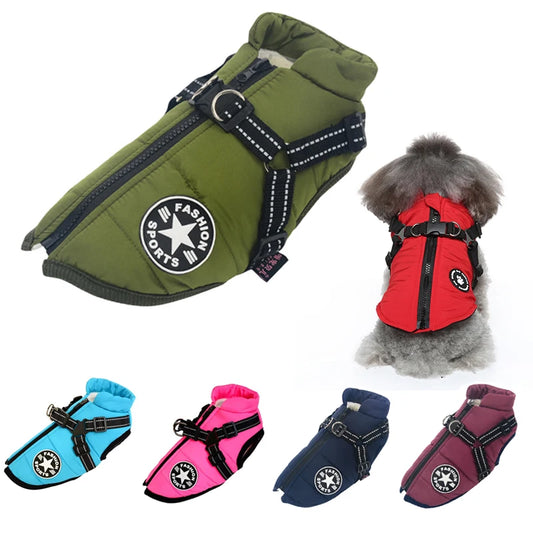
Waterproof Warm Winter Dog Jacket With Harness | Dog Clothes
Regular price From $46.90Regular priceUnit price per$93.79Sale price From $46.90Save [%] -
WalkEase Pro™ | All in one Dog Harness and Leash Set
Regular price From $56.86Regular priceUnit price per$113.72Sale price From $56.86Save [%] -
- Save 50%
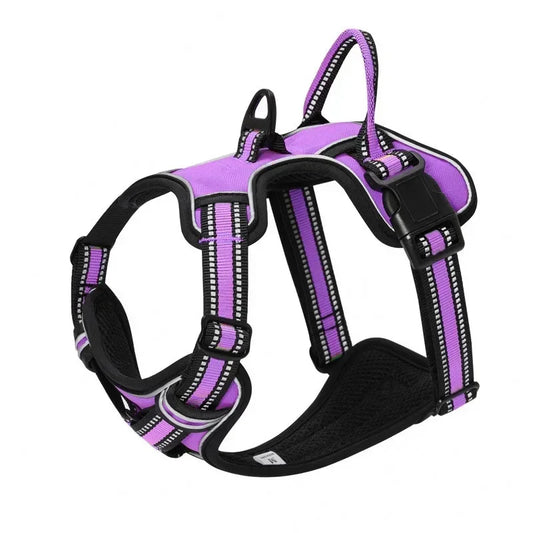
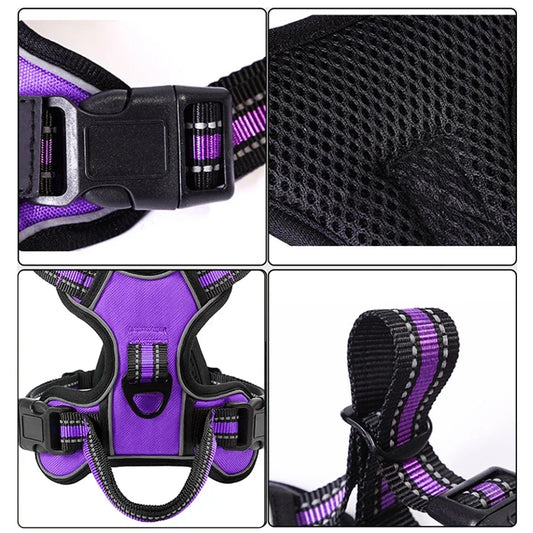
No Pull reflective dog harness
Regular price From $35.51Regular priceUnit price per$71.02Sale price From $35.51Save [%] -
Personalized Reflective Dog Harness NO PULL
Regular price From $34.81Regular priceUnit price per$69.62Sale price From $34.81Save [%] -
Truelove Special Edition Adventurer Fashion Dog Harness Small-Large Various Colours
Regular price From $113.79Regular priceUnit price per$227.57Sale price From $113.79Save [%] -
Tactical No-Pull Dog Harness – Heavy-Duty Padded Vest with Reflective Strips
Regular price From $34.09Regular priceUnit price per$68.17Sale price From $34.09Save [%] -


PawPilot™ Heavy Duty 50lb/23kg Dual Retractable No Tangle Leash with Flashlight | Dog Leash
Regular price From $103.82Regular priceUnit price per$207.65Sale price From $103.82Save [%] -
Tactical Dog Harness and Leashes For Small Dogs
Regular price From $19.58Regular priceUnit price per$39.17Sale price From $19.58Save [%] -
Medium to Large Dog Tactical Dog Harness and leash sets and dog collars
Regular price From $24.64Regular priceUnit price per$49.27Sale price From $24.64Save [%] -
TrueLove No Pull Dog Harness and Leash Set - Reflective & Adjustable Walking Harness
Regular price From $103.84Regular priceUnit price per$207.68Sale price From $103.84Save [%] -
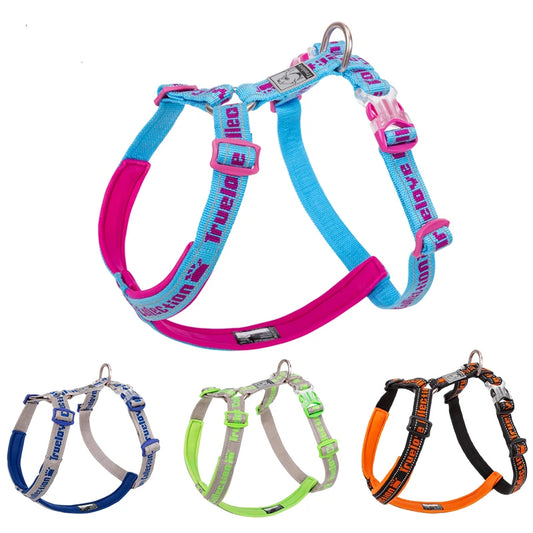
TrueLove Comfort Neoprene Adjustable Reflective Dog Harness
Regular price From $45.17Regular priceUnit price per$90.35Sale price From $45.17Save [%]

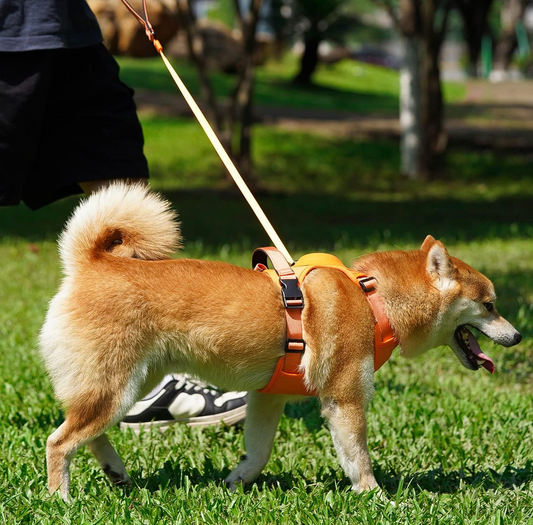
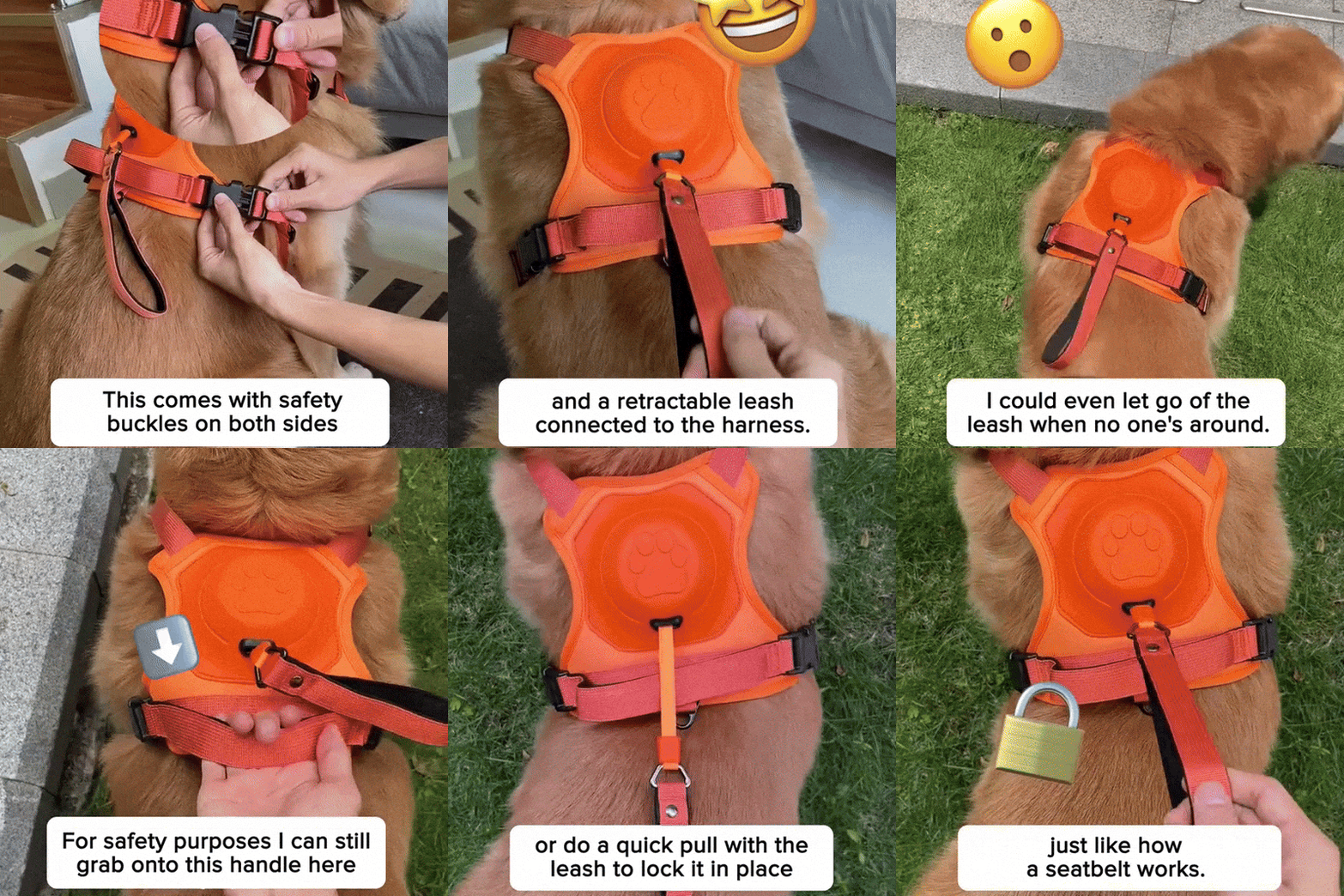
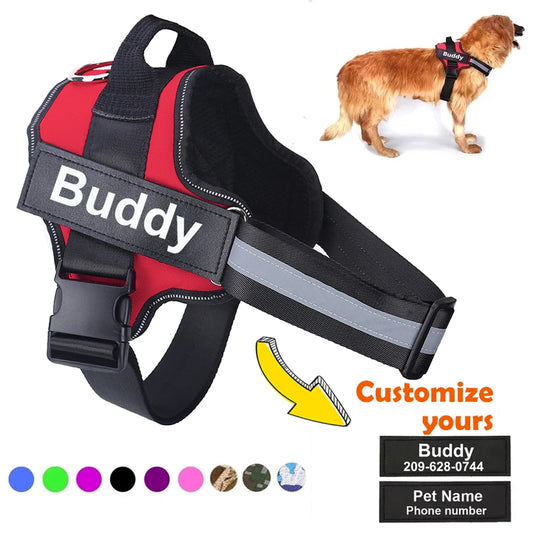
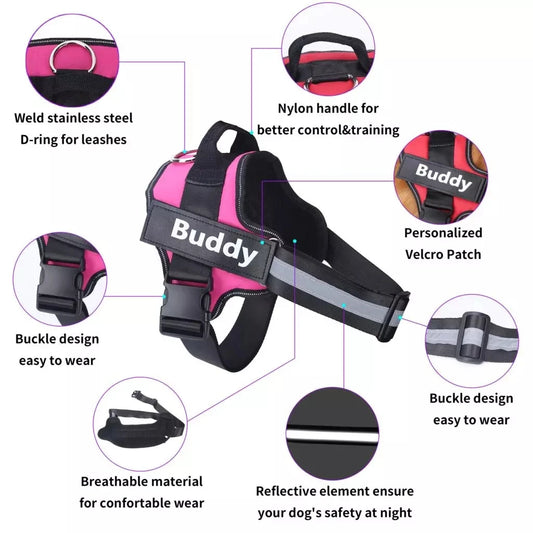


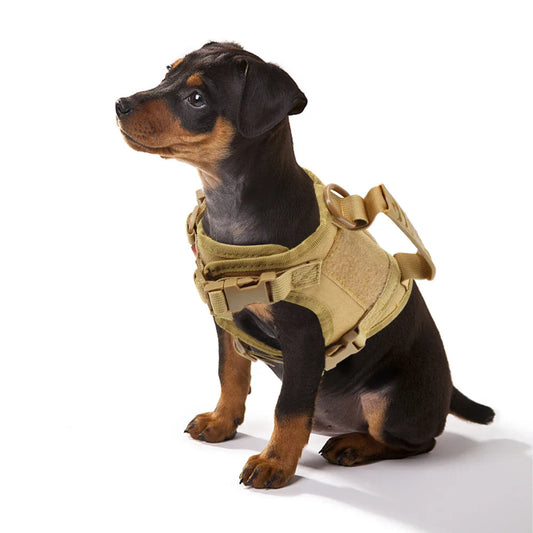
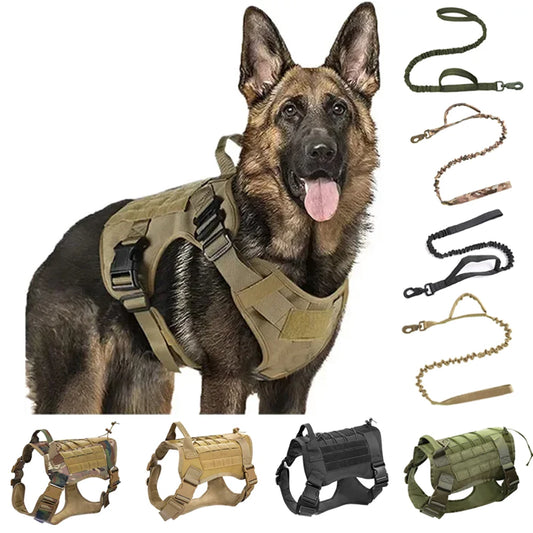


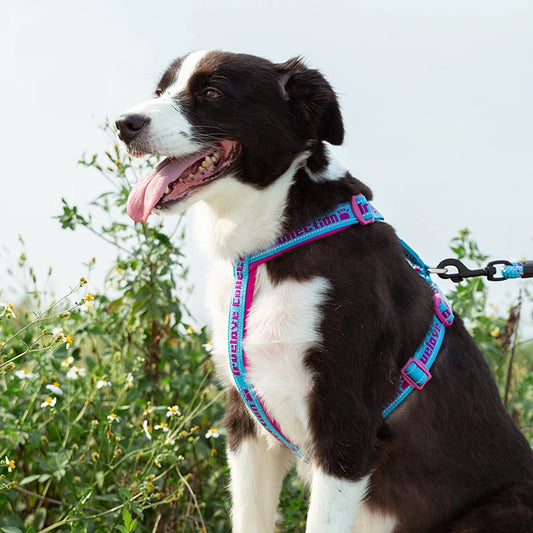
Looking for the best dog harness and leash set for daily walks, a strong puller, or proper outdoor adventures? Our Rover Rituals range is built to help you land on a setup that feels secure, comfortable, and easy to actually control — not just another harness that looks the part in photos.
Start with fit before anything else. A good harness sits clear of your dog's throat, lets their shoulders move freely, and won't rub or chafe behind the front legs, no matter how far you're walking that day. From there, it's really about matching the harness to the walk: a no-pull design for a big dog who leans into the leash, a tactical-style harness for training and hiking, or a simple matching set for everyday strolls that don't need to be complicated.
Browse the range below by dog size, walking style, and how much control you need, and you'll find the balance of comfort, durability, and confidence that works for both ends of the leash.
How should a dog harness fit?
A well-fitted harness should feel snug, never tight. A good rule of thumb: you should be able to slide two fingers under any strap without it feeling loose, and the chest panel should sit low enough that it never puts pressure on your dog's throat.
What's the best harness for a dog that pulls?
For most dogs that pull, a front-clip or dual-clip harness gives you noticeably better steering than a basic back-clip design on its own — it redirects your dog sideways when they lean into the leash, rather than letting them pull straight through it.
Are tactical dog harnesses good for everyday walks?
They can be — plenty of pet parents use them for exactly that. It comes down to fit: as long as the harness sits correctly, doesn't chafe, and suits your dog's size, coat, and walking style, a tactical build works just as well on the daily walk as it does for training or hiking.
Do Dogs Walk Better with a Collar or a Harness? The Collar vs. Harness Debate
Collars are a classic dog accessory — practical, convenient, and great for holding an ID tag if your pup ever wanders off. But when it comes to walking, collars aren't always the safest or most comfortable choice.
Because a collar sits around the neck, it can put pressure on sensitive areas like the windpipe and spine, especially if your dog pulls or gets tugged suddenly. Smaller breeds and those with delicate necks feel this the most. Some dogs can even slip out of a collar altogether — a common issue with slim-headed breeds like greyhounds and whippets.
That's where a harness comes in.
Why Dog Harnesses Are Better for Walks
A harness spreads pressure across your dog's chest, shoulders, and back instead of concentrating it on the neck. That makes walks more comfortable and gives you better control, especially if your dog is strong, excitable, or still learning leash manners.
A well-made harness also helps discourage pulling without any risk of injury. Whether your dog is a big, energetic mover or a small, stubborn one, a harness gives you a safer, more secure setup for both of you.
Bottom line: most dogs walk better in a harness, particularly if they pull on the leash or have any breathing concerns.
Should I Use a Harness to Walk My Dog?
In most cases, yes. Harnesses are ideal for leash training, especially with puppies or newly adopted dogs — they lower the risk of injury and give you more control without any discomfort.
Flat-faced (brachycephalic) breeds like pugs and bulldogs benefit the most, since they're prone to breathing issues. A harness keeps pressure off the throat, which helps prevent choking and tracheal collapse.
Two main styles worth knowing:
- Back-clip harnesses — a relaxed option for calm walkers.
- Front-clip harnesses — better steering for strong pullers or dogs still in training.
Do Harnesses Make Dogs Pull More?
It's a common myth, but no — most harnesses are actually designed to reduce pulling.
A properly fitted harness doesn't create tension around your dog's neck, so they tend to feel more comfortable and less reactive on the leash. Front-clip designs go a step further, letting you gently redirect your dog's movement instead of relying on harsh corrections.
With a bit of patience and consistency, a harness becomes a genuinely useful tool for teaching leash manners — without the discomfort or risk that comes with a collar.
Do Dog Harnesses Restrict Movement?
They shouldn't, if you've got the right one.
A poorly designed harness can restrict shoulder movement, particularly if the straps sit too close to the front legs — over time, that can affect your dog's gait or cause discomfort. When you're choosing a harness, factor in your dog's breed, size, and build, and look for a design that allows a full range of motion. Always check the fit once it's on, and adjust the straps as needed.
How to Put a Harness on Your Dog
Putting on a harness can feel a bit fiddly the first few times, but it gets easier with practice — and a calm dog helps a lot.
- Settle your dog first — wait for them to relax, or use a treat to set a positive tone.
- Get the harness on — slip it over their head, or guide their front legs through the openings, depending on the style.
- Adjust the straps so it sits snugly but not tight. You should be able to fit two fingers between the harness and your dog's body.
- Check the D-ring position — back or chest, depending on which clip you're using.
Some styles take more steps than others, but the fit is what matters most. Get that right, and you've got a happy, safe dog on every walk.
What Is the Best Dog Harness for a Perfect Fit?
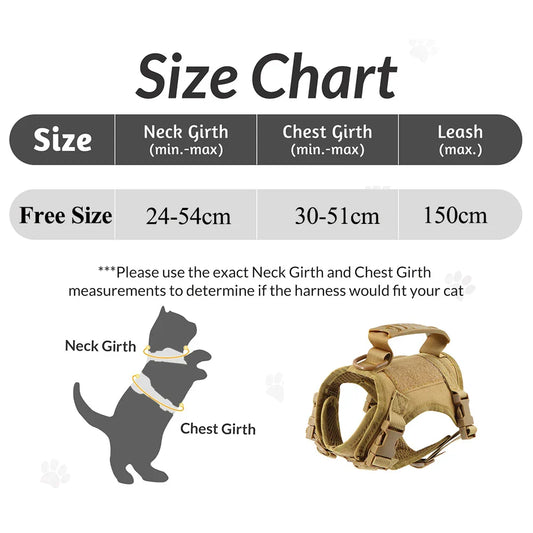
We've built this range with plenty of variety, so it's easier to land on a harness that suits your dog's shape, size, and personality — not just their weight. Measuring your dog properly makes the biggest difference here, so it's worth going by measurements rather than guessing from breed or weight alone.
Check out our sizing guide here.
Small dog with a delicate neck? A step-in design with side-release buckles keeps things simple and avoids any pressure on the neck altogether — a more comfortable option than a standard collar.
Big dog that pulls constantly? Go for a front-attachment harness. Instead of fighting the pull, it redirects that energy to the side, which is far easier on both of you. Dual leash attachment points help too, spreading pressure across the chest rather than letting it build up in one spot. Worth knowing: a harness alone won't stop pulling overnight — pairing it with a bit of loose-leash training gets you there faster.
Long walks and want real comfort? Look for padded chest plates and easily adjustable straps. You've got the right fit when you can slide two fingers under the buckle without it feeling loose, with no redness or chafing around the armpits afterward.
Got an escape artist on your hands? Multiple D-rings and reinforced buckles make it much harder for a determined pup to wriggle free. Adjustable straps also help you keep pace with a growing pup or a changing coat.
Special needs or working dog? Vest-style harnesses offer practical extras like ID panels and added support, making them a solid choice for both safety and everyday convenience.
How to Use a Harness for Daily Walks
A well-fitted harness makes a real difference to how your dog walks, day to day. Back-clip designs suit dogs who already walk calmly beside you, letting them move naturally while you stay connected through the leash. If you've got a puppy still getting used to the sensation, start with short sessions so they can adjust without stress. In warmer weather, a breathable mesh design keeps things cool without giving up control.
Because the chest carries the load instead of the neck, your dog stays comfortable even on longer walks. Plenty of pet parents also attach ID tags straight to the harness D-ring, so identification stays put even if a collar shifts during play. As your dog grows, keep checking the fit — you want two fingers of room between the harness and their skin at all times.
How to Maximize Control During Training
Good training gear should make communication between you and your dog easier, not harder. Front-attachment harnesses are especially useful here, since they redirect forward momentum the moment your dog pulls — a gentler correction than anything collar-based.
Because you can clip the leash to either the chest or back point, you can adjust your setup as training goals shift. For bigger dogs with a strong pulling instinct, that front positioning helps you guide direction without triggering the kind of resistance that makes pulling worse. Some harnesses also come with pockets for treats or training tools, keeping your hands free to focus on commands. A well-built training harness holds its shape and fit through repeated use, so it keeps working as your dog progresses through training.
What Materials and Design Ensure Great Quality?
A great harness isn't just about control — it's about comfort, safety, and holding up over time. Here's what's worth looking for.
✅ Materials that matter
- Nylon webbing — durable, flexible, and soft against the skin. Handles pulling well without adding bulk, and holds up in most weather without mildew or moisture issues.
- Oxford fabric or polyester blends — often used as a padded outer layer. Breathable, water-resistant, and built for active dogs and longer walks.
- Neoprene padding — found in most premium harnesses, adding cushioning that reduces chafing around the chest and underarms.
- Mesh lining — keeps things breathable in warm weather, so your dog stays cool on walks or at play.
- Rust-resistant hardware — stainless steel or zinc-alloy D-rings and buckles that hold up under tension and won't corrode over time.
🔧 Design details worth checking
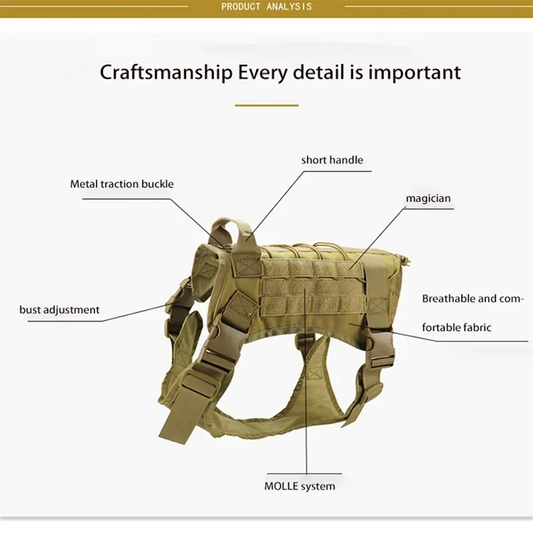
- Reinforced stitching — double or triple stitching at the leash clip and other stress points, so a sudden pull doesn't tear the seams.
- A sturdy grab handle — genuinely useful in busy areas or during training, particularly for bigger or more reactive dogs.
- Multiple adjustment points — usually three to five straps, so the harness can be shaped precisely to your dog's build.
- Quick-release buckles — secure enough to stay closed, simple enough to undo in seconds.
- Reflective stitching or trim — makes a real difference on early morning or nighttime walks.
Check out our best-selling harnesses here: WalkEase Pro™ and the No Pull Reflective Dog Harness.